Lactic fermentation overview:
Lactic fermentation is a controlled coffee processing method in which conditions are deliberately created to favour lactic acid–producing bacteria (LAB), such as Lactobacillus. These microbes thrive in low-oxygen, high-sugar environments and convert the sugars in the coffee mucilage into lactic acid, giving the resulting cup a creamy, smooth, often “yogurt-like” sweetness and refined acidity.
Unlike wild fermentation, lactic fermentation is highly managed, focusing on microbial control, stability, and enhanced flavour development. It is most commonly applied in anaerobic tanks or sealed vessels, which allow LAB to dominate the microbial environment.
HOW IT WORKS (STEP-BY-STEP)
1. Selective Harvesting
Only fully ripe cherries are picked to ensure high sugar content — essential for LAB fermentation.
2. Pulping (Optional)
Depending on the producer:
Washed/Honey: cherries are pulped, leaving the mucilage intact.
Natural: whole cherries remain intact.
Lactic fermentation can be applied to all processing styles.
3. Anaerobic Fermentation
Coffee is placed into sealed tanks or oxygen-restricted vessels.
Inside this low-oxygen environment, LAB multiply quickly and outcompete other microbes.
Producers often monitor:
Temperature (18–25°C recommended for stability)
pH (typically drops from ~5.5 to ~3.8–4.2)
Brix (sugar levels)
Time (24–96+ hours depending on style and target flavour)
4. Lactic Acid Production
LAB metabolise mucilage sugars and produce:
lactic acid (smooth, creamy acidity)
aroma compounds that enhance fruitiness and sweetness
small amounts of alcohol and CO₂
This microbial environment tends to create a cleaner, more controlled fermentation compared to wild or open-air processes.
5. Stopping the Fermentation
Producers end fermentation by:
washing off the mucilage (washed process), or
moving cherries directly to dry (honey or natural).
6. Drying
Coffee is dried on raised beds, drying houses, or patios until reaching 10–12% moisture.
Grower: Felipe Hoyos
Farm: La Esperanza
Farm size: 80 hectares
Varietal: Colombia, Castillo and Cenicafe 1
Region: Caldas, Chinchiná, La Paz
Elevation: 1350 - 1500 m.a.s.l.
Process: Lactic fermentation
Cupping Notes: Aromas of tropical fruits, with flavours of passionfruit, mango, and boozy cognac. Velvety body with a buttery mouthfeel. Juicy acidity with a lingering aftertaste.






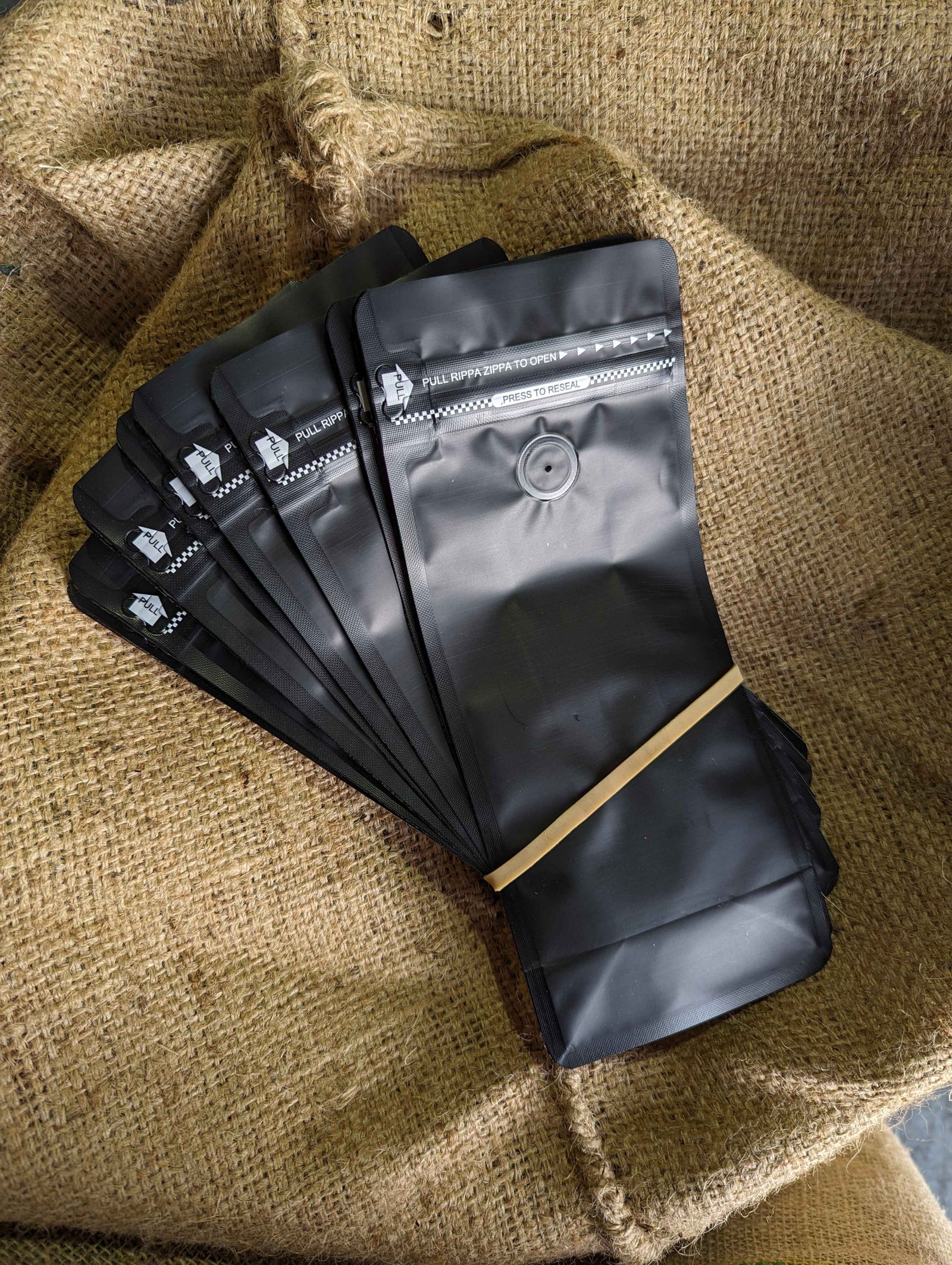 Matte Black Coffee Bag Bundle - With Valve & Rippa Zippa
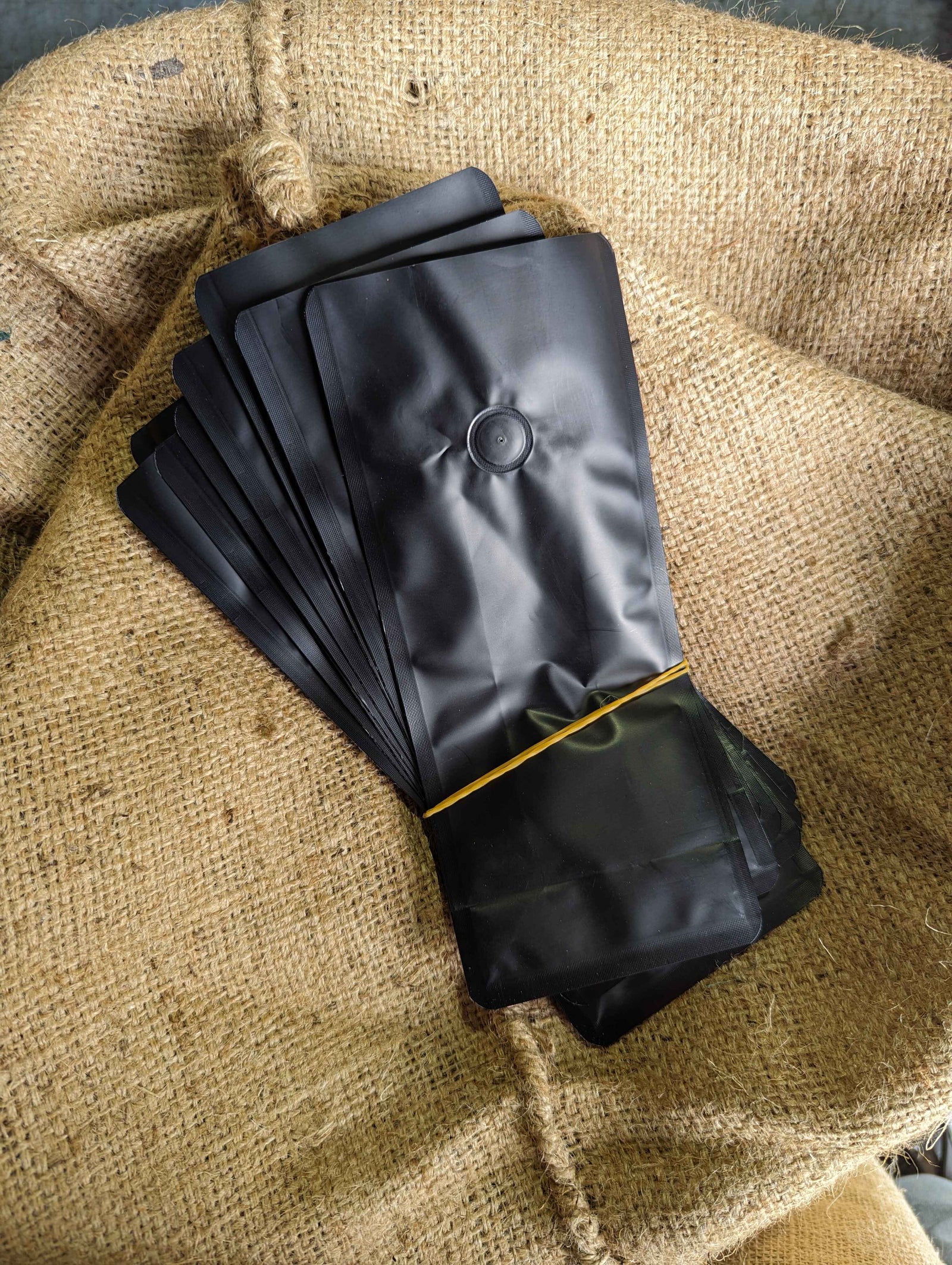 Matte Black Coffee Bag Bundle - With Valve